Pilates & Posture Science
Why Do I Feel Taller After Pilates?
Discover how Pilates improves posture, spinal alignment, breathing, and core support to help the body feel lighter, longer, and more balanced.
The “Pilates Taller” Effect
One of the most common things people say after Pilates is:
“I feel taller.”
Pilates does not increase bone length, but it can improve posture, reduce compression, strengthen deep support muscles, and help the body move more efficiently.
Better Spinal Alignment
Pilates teaches neutral spine positioning and postural awareness, helping the body stack more naturally from head to feet.
Stronger Deep Core
Core muscles like the transverse abdominis and pelvic floor help support the spine internally and reduce lower back compression.
Open Chest & Shoulders
Pilates breathing and upper-body mobility exercises may help reduce rounded shoulders and improve thoracic mobility.
Less Tension
Controlled movement and mindful breathing may help reduce neck tightness, stiffness, and stress-related posture collapse.
Improved Flexibility
Pilates combines strength and mobility to help the body move with less restriction and more natural alignment.
Better Body Awareness
Pilates retrains movement habits so many people naturally begin sitting taller and moving more evenly throughout the day.
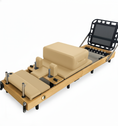
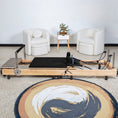
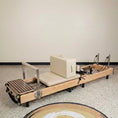
Why Reformer Pilates Feels Different
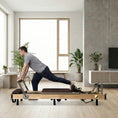
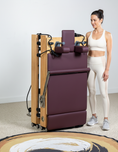
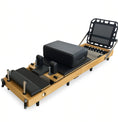
Reformer Pilates adds smooth resistance, guided movement, spinal articulation, and full-body support. Many users notice an immediate feeling of decompression and improved posture after a session.
Modern Life Compresses the Body
- Sitting for long hours
- Looking down at phones
- Desk work and driving
- Stress in the neck and shoulders
Over time, these habits may create rounded posture, tight hips, weak core support, and spinal compression. Pilates works to restore balance and support.
Feeling Taller Is About Alignment
Pilates helps the body move away from compression and toward support, balance, and efficient movement. That is why many people feel more open, lifted, and aligned after consistent practice.