PersonalHour Research and Development Centre
A consumer research report on posture, flexibility, core activation, balance, and mental wellness.
Summary
A 30-day Pilates routine can create noticeable changes in how the body feels, moves, and holds posture. The most realistic early improvements are not dramatic weight loss or a completely “new body,” but better body awareness, improved posture habits, stronger core activation, greater flexibility, better balance, reduced stiffness, and improved mental wellness.
Scientific research supports Pilates as a low-impact mind-body exercise focused on core stability, breathing, posture, flexibility, balance, and controlled movement. Reviews and trials show benefits for back pain, balance, muscular endurance, flexibility, mood, anxiety, fatigue, and quality of life.
For a 30-day consumer study, PersonalHour can document changes through before-and-after photos, posture comparisons, flexibility tests, balance tests, core endurance checks, beginner journals, and customer stories.
1. What Can Change in 30 Days?
1.1 Posture Changes
Pilates trains the body to notice alignment: head position, rib cage, pelvis, shoulders, and spine. Over 30 days, many beginners report standing taller, sitting with less slouching, and feeling more “open” through the chest and shoulders.
Scientific explanation: Pilates emphasizes core stability, pelvic control, rib cage alignment, scapular movement, breathing, and neutral spine principles, all of which support improved posture and movement control.
| Area | Possible Change |
|---|---|
| Shoulders | Less rounded, more open |
| Neck | Less forward-head tension |
| Spine | Better upright sitting |
| Hips/Pelvis | More awareness of neutral alignment |
| Daily life | Less stiffness from sitting |
Important note: Pilates does not literally make bones longer. The “taller” feeling usually comes from improved posture, better spinal mobility, stronger support muscles, and increased body awareness.
2. Flexibility Improvements
Pilates combines stretching, controlled resistance, and mobility work. Research suggests Pilates can improve flexibility, especially hamstring flexibility, hip mobility, and spinal mobility. One early Pilates study reported gains in abdominal strength, upper-body endurance, and hamstring flexibility after regular Pilates training.
30-Day Flexibility Tracking Ideas
| Test | Day 1 | Day 30 |
|---|---|---|
| Forward fold reach | Measure distance from fingers to floor | Compare improvement |
| Seated hamstring reach | Measure inches reached | Compare improvement |
| Shoulder mobility | Wall test or overhead reach | Compare range |
| Hip mobility | Butterfly knee distance from floor | Compare comfort |
Expected Consumer Result
Most beginners may feel less stiff before they see major visible body changes.
3. Core Activation
Core activation is one of the strongest early Pilates benefits. Pilates teaches the deep abdominal muscles, pelvic floor, back stabilizers, and glutes to work together. This can improve control during daily movement, reduce compensation, and support the lower back.
Health.com summarizes research showing that one-hour Pilates sessions twice weekly for 12 weeks improved abdominal and upper-body muscular endurance.
What Beginners May Feel
| Week | Core Experience |
|---|---|
| Week 1 | Learning how to engage the core |
| Week 2 | Less shaking during basic moves |
| Week 3 | Better control during transitions |
| Week 4 | Stronger connection between breath and movement |
Simple 30-day test: Hold a basic Pilates tabletop position or forearm plank and record time on Day 1 and Day 30.
4. Balance Improvements
Pilates improves balance by training control, coordination, proprioception, hip stability, and trunk strength. A review cited by Health.com found improved balance, stability, and mobility after Pilates sessions performed three times weekly for eight weeks.
Even though 30 days is shorter than many studies, balance can improve early because the nervous system learns movement patterns quickly.
Home Balance Test
| Test | How to Measure |
|---|---|
| Single-leg stand | Time each side |
| Heel-to-toe walk | Count stable steps |
| Sit-to-stand control | Count controlled reps in 30 seconds |
| Reformer footwork control | Track smoothness and shaking |
5. Mental Wellness Effects
Pilates is a mind-body practice. It uses breath, rhythm, concentration, and controlled movement. This can help reduce stress, improve body confidence, and create a sense of calm.
A meta-analysis found Pilates may reduce depressive symptoms, anxiety symptoms, and fatigue while improving energy.
Common 30-Day Journal Changes
| Area | Possible Reported Benefit |
|---|---|
| Stress | Feels calmer after sessions |
| Sleep | Easier relaxation before bed |
| Confidence | More connected to body |
| Mood | More motivation and energy |
| Pain fear | Less fear of movement |
6. Suggested 30-Day PersonalHour Consumer Study
Study Title
How Pilates Changes the Body After 30 Days: A PersonalHour Consumer Wellness Study
Study Format
Participants complete Pilates 3–5 days per week for 30 days using mat Pilates, reformer Pilates, or a combination.
Recommended Routine
| Level | Frequency | Session Length |
|---|---|---|
| Beginner | 3 days/week | 20–30 minutes |
| Active beginner | 4 days/week | 30–40 minutes |
| Reformer user | 3–5 days/week | 25–45 minutes |
Data to Collect
| Category | Measurement |
|---|---|
| Posture | Front, side, back photos |
| Flexibility | Forward fold, shoulder reach, hip mobility |
| Core | Plank hold, tabletop hold |
| Balance | Single-leg stand |
| Wellness | Sleep, stress, mood, energy score |
| Pain/stiffness | 1–10 rating |
Customer Journal Prompts
Day 1: How does your body feel before starting?
Day 7: What movement feels easier?
Day 14: Do you notice posture or flexibility changes?
Day 21: Has your energy, mood, or confidence changed?
Day 30: What is the biggest difference in your body?
7. Example “Reported Benefits” Chart
| Reported Benefit After 30 Days | Expected Trend |
|---|---|
| Better posture awareness | High |
| Improved flexibility | High |
| Stronger core connection | High |
| Better balance/control | Medium–High |
| Less stiffness | Medium–High |
| Better mood/stress relief | Medium |
| Visible body composition change | Low–Medium |
8. Before/After Documentation Ideas
Posture Comparison Photos
Side-view images showing head, shoulder, rib, pelvis, and hip alignment.
Flexibility Measurements
Forward fold improvement in inches.
Beginner Journal Stories
Short daily notes from customers.
Customer Video Diaries
Day 1, Day 15, Day 30 movement comparison.
Reformer Confidence Score
“How confident do you feel using the reformer?” rated 1–10.
9. Consumer-Friendly Conclusion
After 30 days, Pilates may not completely transform the body visually, but it can change how the body feels and functions. The strongest early changes are usually better posture awareness, improved flexibility, stronger core activation, smoother balance, reduced stiffness, and a calmer mind.
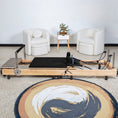
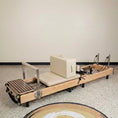
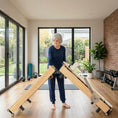
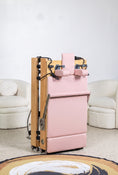
For home reformer users, the biggest advantage is consistency. A reformer at home removes scheduling barriers and helps people build a routine. With safe setup, beginner-friendly programming, and steady practice, 30 days can become the foundation for long-term strength, mobility, confidence, and wellness.
Sources
Sources include The Pilates Blog PubMed/NIH, Cleveland Clinic, Health.com, Allure’s report on the Kloubec Pilates study, and scientific summaries on Pilates posture, strength, flexibility, balance, and mental wellness.